
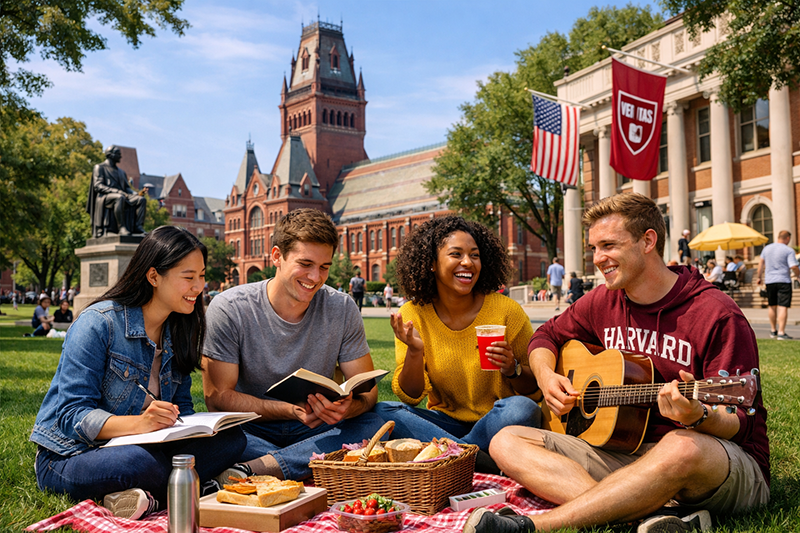
Harvard University, one of the most prestigious institutions in the world, attracts students from all corners of the globe. As an incoming student, understanding what life at Harvard entails is essential for a smooth transition. From academics and residential life to extracurricular activities and social opportunities, this guide covers everything you need to know about Harvard student life in 2026.
Academic Life at Harvard
Harvard is renowned for its rigorous academic programs and world-class faculty. Students can choose from a wide range of undergraduate concentrations (majors) and graduate programs. The academic environment encourages critical thinking, debate, and interdisciplinary learning.
Class Structure
Classes at Harvard vary in size, from small seminars of 10–20 students to large lectures with hundreds of attendees. Small classes allow for close interaction with professors, while large lectures often include teaching assistants who provide additional support. Most courses require regular assignments, group projects, and participation in class discussions.
Academic Resources
Harvard provides extensive academic support. Key resources include:
| Resource | Description |
|---|---|
| Harvard Library System | Over 70 libraries offering millions of books, journals, and digital resources. |
| Writing Center | Offers assistance with essays, research papers, and writing projects. |
| Advising & Mentoring | Academic advisors help students choose courses, plan their schedules, and explore career paths. |
| Office Hours | Professors and TAs hold regular office hours for additional guidance and support. |
Additionally, Harvard encourages students to engage in undergraduate research, internships, and study-abroad programs to complement classroom learning.
Residential Life
Harvard’s residential system is a central part of student life. Most undergraduates live on campus in one of the 12 residential houses. Each house has its own dining hall, library, common room, and social events.
Dormitories and Housing
- Freshman Year: Students typically live in freshman dormitories such as Massachusetts Hall or Canaday Hall, which foster a sense of community.
- Upperclassmen Housing: After the first year, students move into one of the residential houses, such as Adams House or Winthrop House. Each house has its own traditions, intramural sports teams, and student government.
- Graduate Housing: Graduate students have access to dedicated dorms and apartments, often near their respective schools (Law, Business, Medicine).
Dining
Harvard provides a variety of dining options that cater to different tastes and dietary needs:
- Freshman Dining Halls: Offer meal plans with diverse cuisines.
- House Dining Halls: Feature both buffet-style meals and à la carte options.
- Specialty Cafes: Coffee shops, vegan options, and international cuisine.
Social Life and Extracurricular Activities
Harvard is not only about academics; social life plays a major role in the student experience.
Clubs and Organizations
Harvard has over 400 student organizations, including:
- Academic Clubs: Harvard Political Review, Harvard Undergraduate Economics Association.
- Cultural Groups: Asian American Association, Black Students Association.
- Performance Arts: Harvard-Radcliffe Dramatic Club, a cappella groups, dance ensembles.
- Sports Clubs: Intramural sports like soccer, ultimate frisbee, and fencing.
Greek Life
Although smaller than at many other American universities, Greek life exists at Harvard. Sororities and fraternities organize social events, community service, and networking opportunities. Participation is optional and varies by student interest.
Social Events
Harvard hosts a variety of events throughout the year:
- House Dinners and Formals: Offer networking and bonding opportunities.
- Harvard-Yale Football Game: A historic rivalry that unites the student body.
- Cultural Festivals: Celebrations of diverse cultures and traditions.
- Speaker Series and Panels: Regular talks by world leaders, scientists, and entrepreneurs.
Student Wellness and Support Services
Harvard emphasizes student health and wellness. Key services include:
- Counseling & Mental Health Services: Support for stress, anxiety, and personal issues.
- Health Services: On-campus clinics for routine medical care.
- Peer Support Programs: Upperclassmen mentors and peer advisors provide guidance.
Campus Facilities and Resources
Harvard’s campus is expansive and offers state-of-the-art facilities for learning, research, and recreation.
| Facility | Description |
|---|---|
| Harvard Yard | The historic center of the university, featuring green spaces and iconic buildings. |
| Science & Research Labs | Cutting-edge facilities for biology, chemistry, physics, and engineering research. |
| Athletic Facilities | Gyms, swimming pools, tennis courts, and the Malkin Athletic Center. |
| Arts Centers | Harvard Art Museums, theaters, and music practice rooms. |
The campus is also bicycle- and pedestrian-friendly, with easy access to nearby Cambridge and Boston for cultural and social outings.
Tips for Incoming Students
To make the most of your Harvard experience:
- Get Involved Early: Join clubs, attend events, and explore new interests.
- Manage Time Wisely: Balance coursework, social activities, and personal wellness.
- Build Connections: Form relationships with peers, professors, and mentors.
- Explore the City: Cambridge and Boston offer endless opportunities for cultural experiences, internships, and dining.
- Stay Open-Minded: Harvard’s diverse community encourages different perspectives and debates.
Frequently Asked Questions (FAQ)
1. Is Harvard dorm life mandatory for freshmen?
Yes, most freshmen live on campus to foster community engagement.
2. Are there vegetarian and vegan dining options?
Absolutely. Most dining halls offer diverse menus catering to all dietary needs.
3. Can students work on research projects?
Yes, Harvard strongly encourages undergraduate and graduate research, often with faculty mentorship.
4. How competitive are clubs and organizations?
While some performance and academic groups are competitive, most clubs are open to all students.
5. Is mental health support available on campus?
Yes, Harvard provides comprehensive counseling and wellness services.
Conclusion
Life at Harvard University is an enriching mix of academics, social engagement, and personal growth. From rigorous classes and cutting-edge research to diverse student organizations and historic campus life, every Harvard student has the opportunity to explore their passions and develop lifelong skills. But if you can’t graduate successfully, please contact us, we can help you prepare with the documents of Harvard University degree with transcripts in front of your parents. By taking advantage of the resources, facilities, and support available, incoming students can navigate their Harvard journey with confidence and enthusiasm.